

By Liberty Mutamba
Every morning, a mother in Gwanda reaches for a plastic container to fetch water for her family. Washed and reused, the container appears harmless. But it once held pesticide, a fact that could expose her children to toxic chemicals.
Her story is shared by many families across Zimbabwe, where empty pesticide containers are often reused for storing water, cooking oil, grain and other household items.
“We usually take containers and store water, we wash them.We use these containers daily, I do not think there is any risk. We usually bury the empty containers after use,” Ms Sindile Ndlovu.
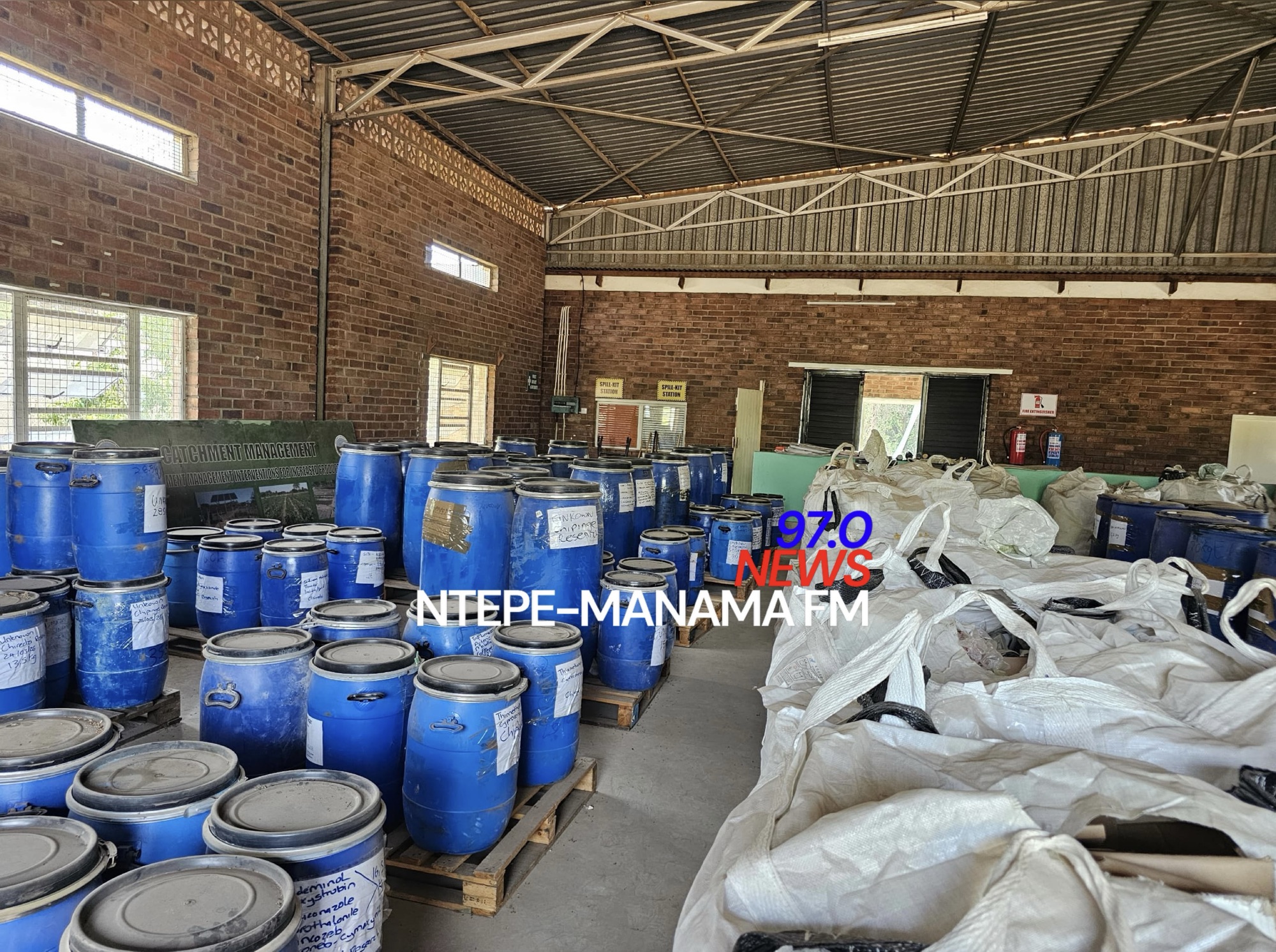
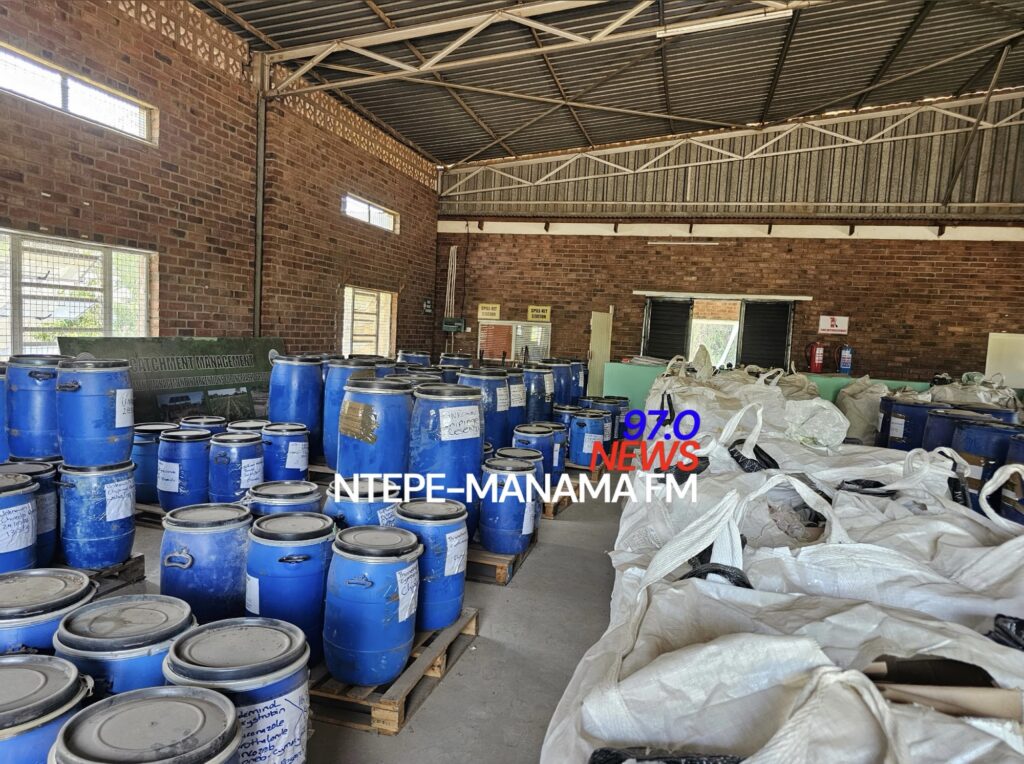
The Environmental Management Agency (EMA) has established a national storage facility for obsolete pesticides in Gwanda as part of efforts to reduce the risks posed by expired and banned chemicals.
The facility provides a central storage point for obsolete pesticides collected from farmers across the country. It repackages the chemicals into United Nations-certified containers and currently holds 10 tonnes awaiting environmentally sound disposal.
These chemicals can contaminate soil and water resources, exposing communities and animals to potentially harmful substances.
In an interview with EMA environmental management specialist after touring the facility Mr Union Mapxashike said the facility will play a crucial way in storing these harmful pesticides.
“This facility is meant to store all the chemicals that have expired or are banned, and we have gone around the country collecting from farmers so that we reduce the risk of contaminating the environment. In the long run, we will have a disposal facility, but for now it’s storage with all the required instruments,” he said.
“For families such as the one using the pesticide container to fetch water, the danger may not be immediately visible. Even after washing, chemical residues can remain in containers and expose people to toxic substances. Children are particularly vulnerable because they may drink from contaminated containers or play near discarded drums and bottles. Livestock can also be affected when chemicals seep into grazing areas or water sources,” Mapxashike said.
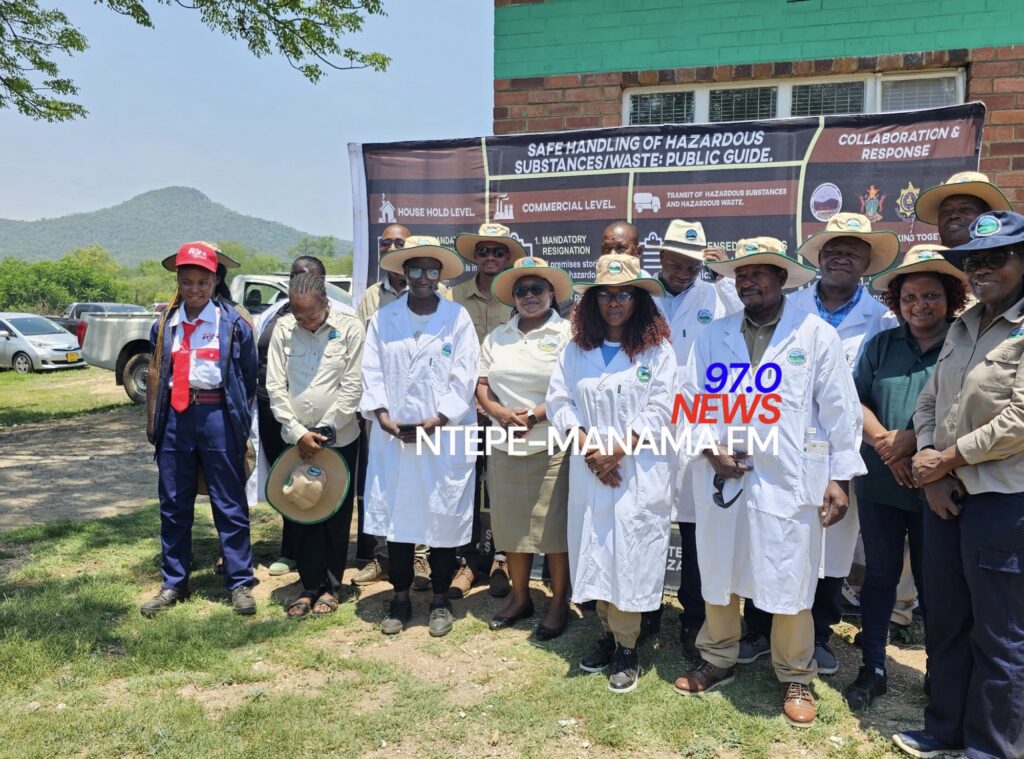
The chemicals were highlighted during a media tour of the Gwanda warehouse in Matabeleland South Province on October 23, 2026, where EMA engaged journalists and key stakeholders on the dangers posed by expired and unwanted pesticides.
The tour was conducted under the ChemObs Project Phase II part of interventions, which seeks to raise awareness of Zimbabwe’s efforts to collect, secure and safely manage obsolete pesticides and other hazardous chemicals.
Obsolete pesticides pose serious threats to human health, livestock and the environment when improperly handled, stored or disposed of.
EMA is encouraging farmers, miners, schools, agrochemical distributors and other institutions with obsolete, expired or unwanted pesticides to report them to the Agency for guidance on safe handling and disposal.
Members of the public have also been urged not to reuse, dump, burn or indiscriminately dispose of the chemicals. Instead, they should seek guidance from EMA and ensure that empty containers are not used for domestic purposes.
The media engagement is part of EMA’s broader efforts to strengthen public awareness of responsible chemicals management and promote environmental protection across the country.
Through collaboration with media practitioners and other stakeholders, the Agency seeks to ensure that communities understand that a container that looks clean may still carry a dangerous history.
The initiative underscores the need for collective action to prevent chemical pollution, safeguard public health and protect Zimbabwe’s environment one household, one farm and one discarded container at a time.
